
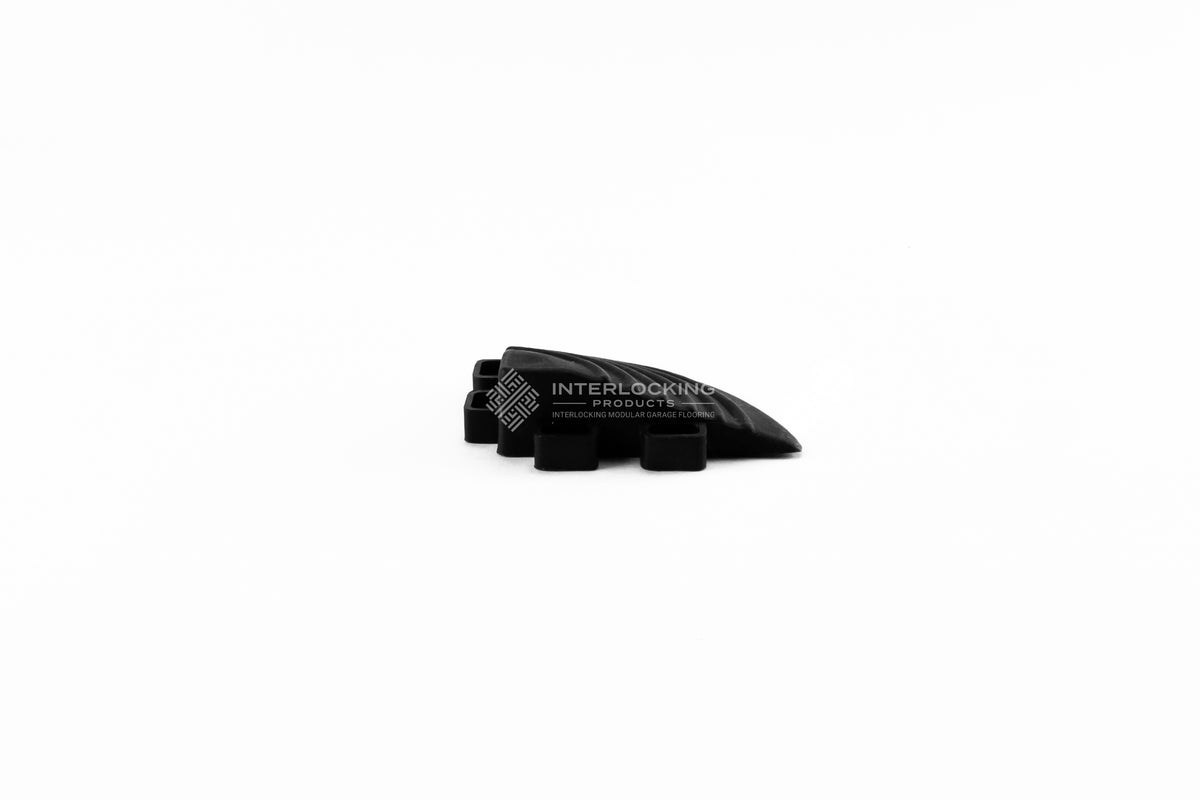
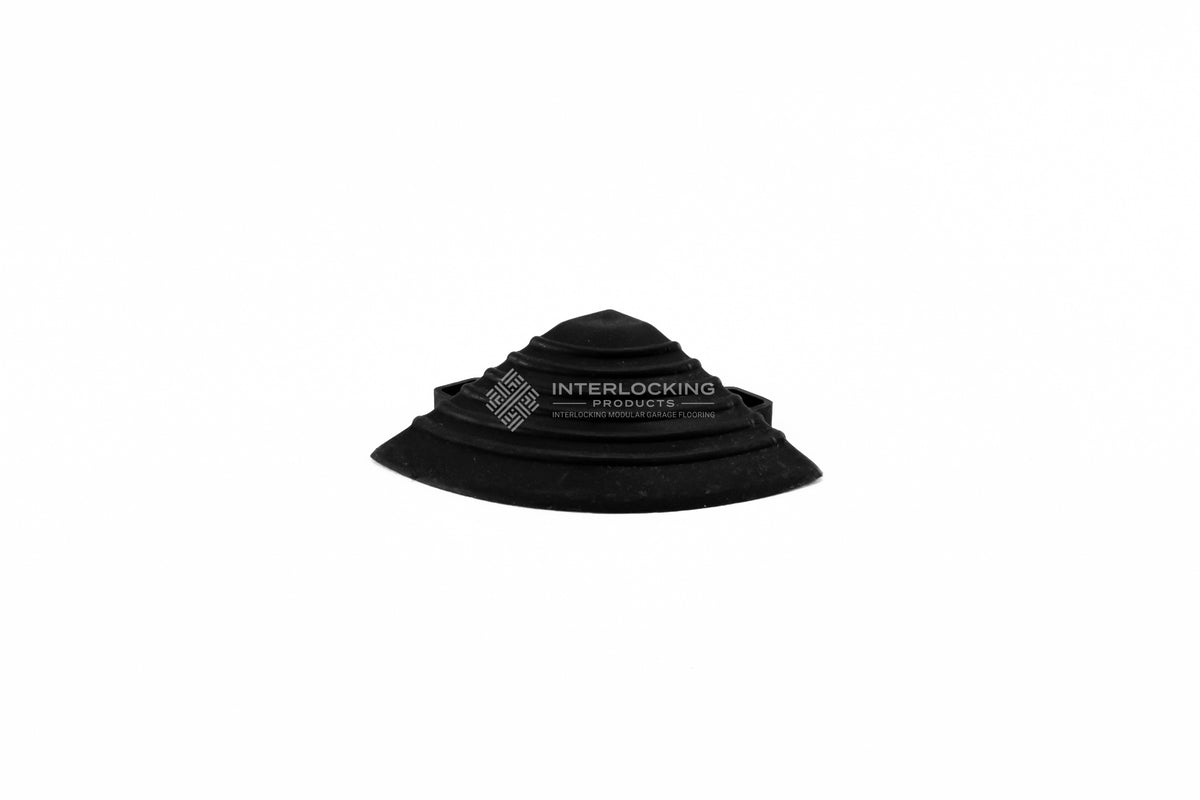
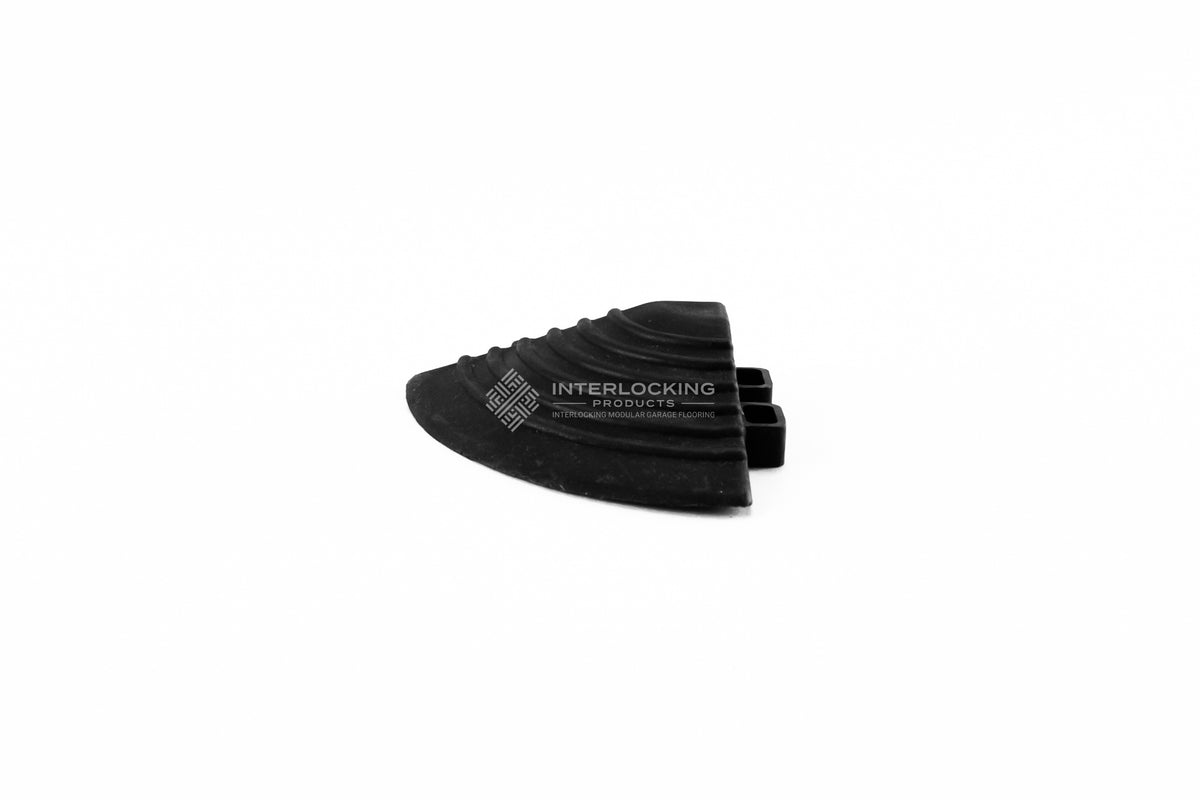
Interlocking Products Transitional Edges
Pay Later with Shop
Secure Checkout
Transform your space in hours, no glue, no tools, no mess.
Description
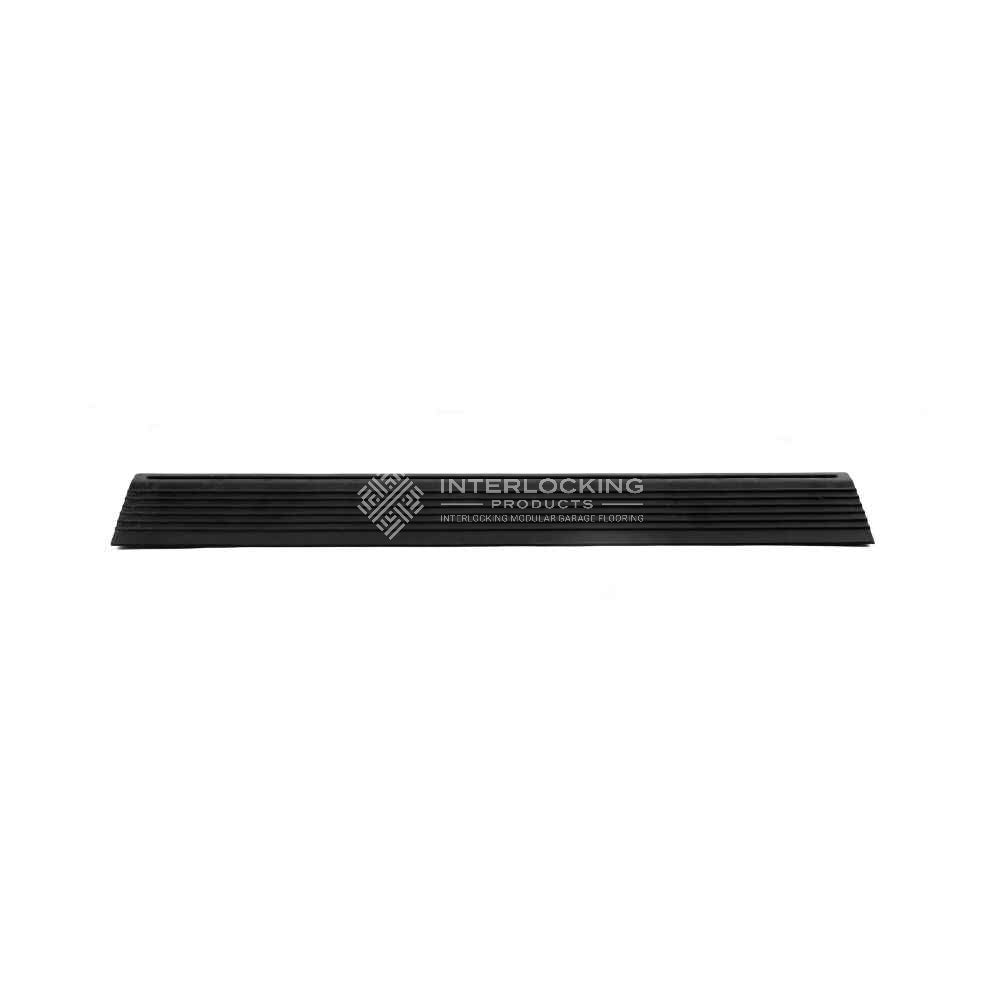
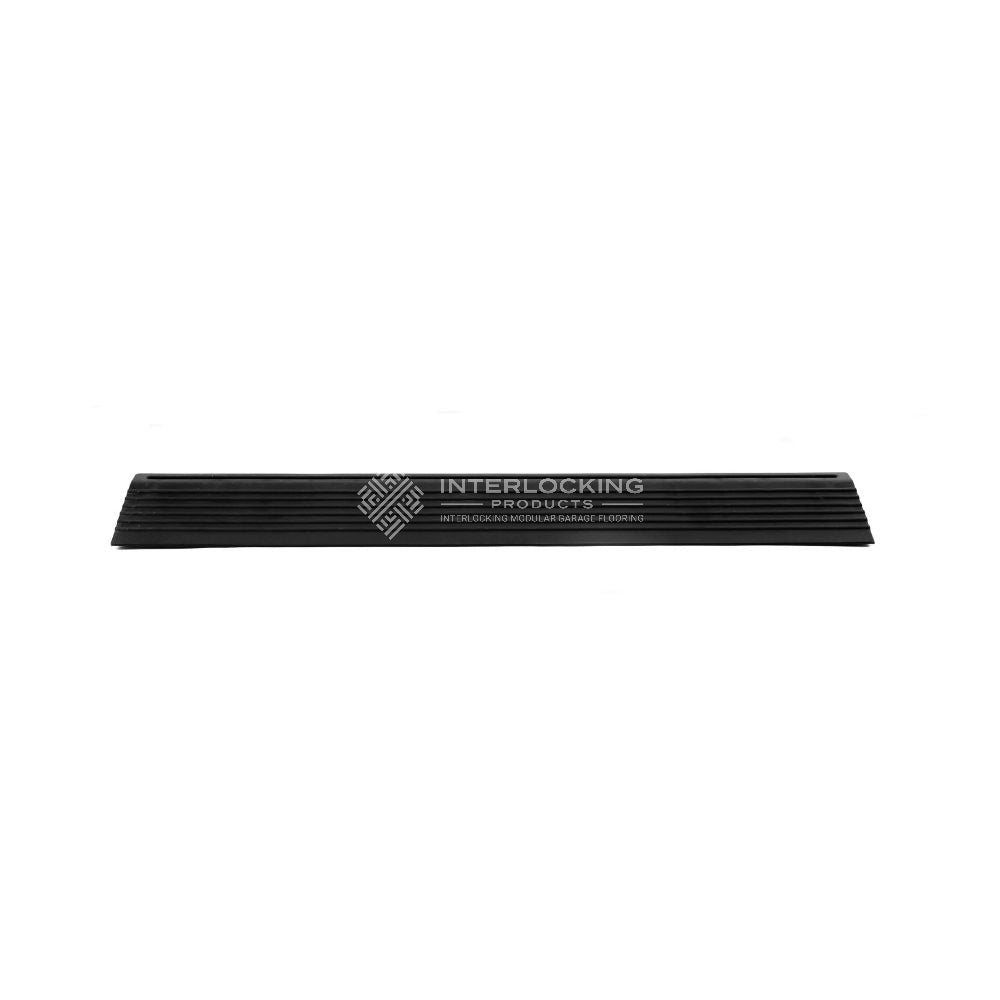
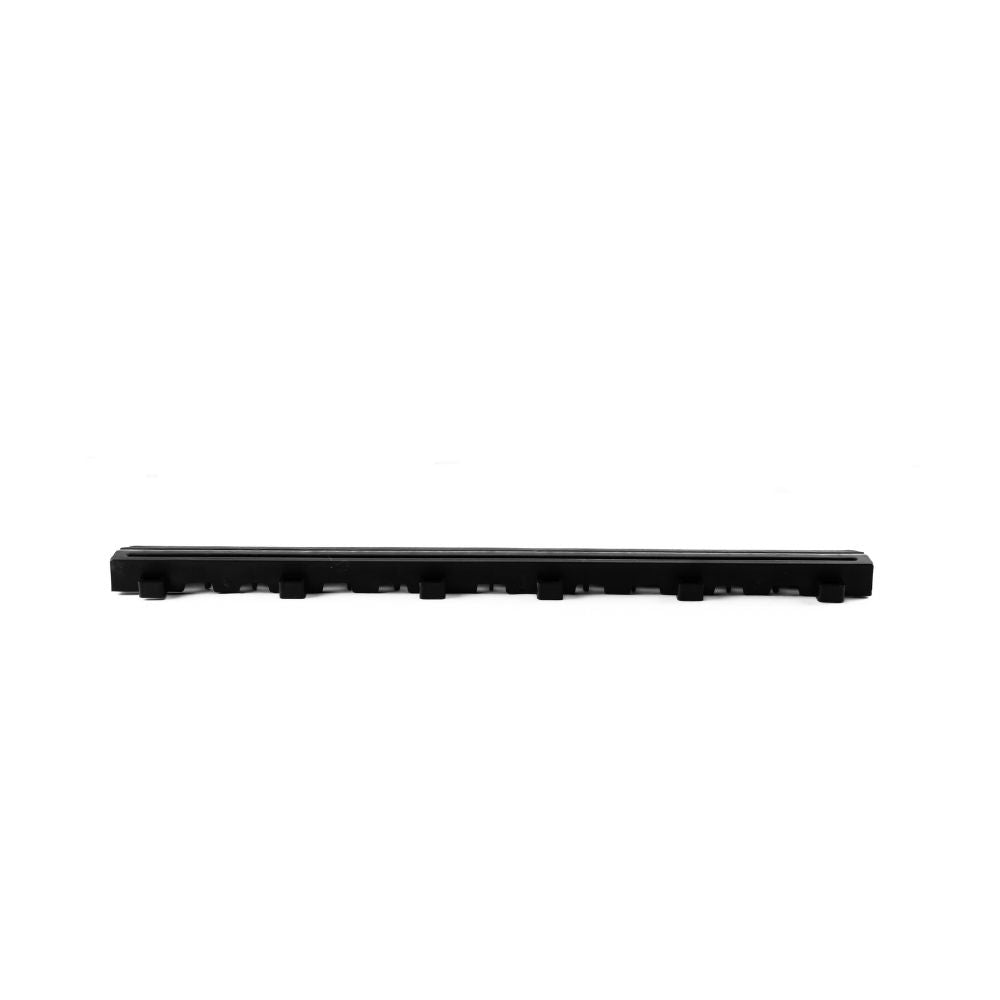
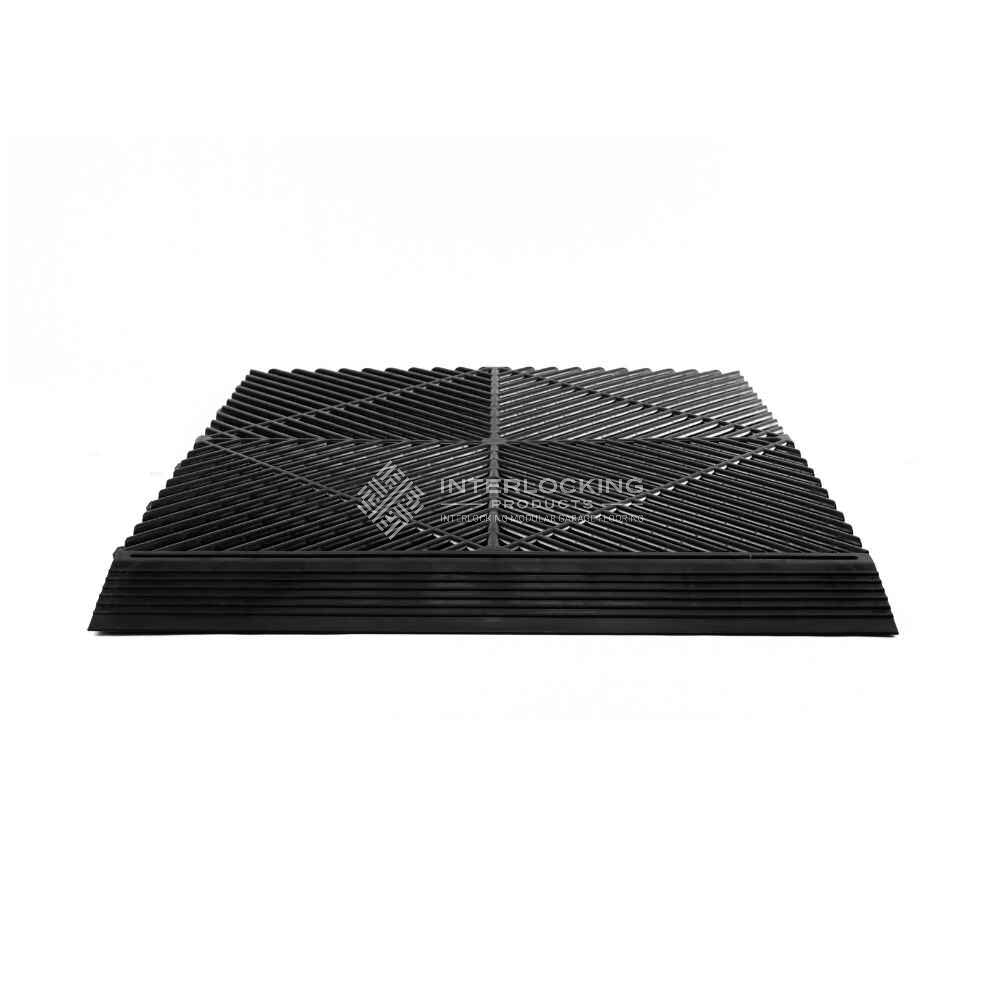
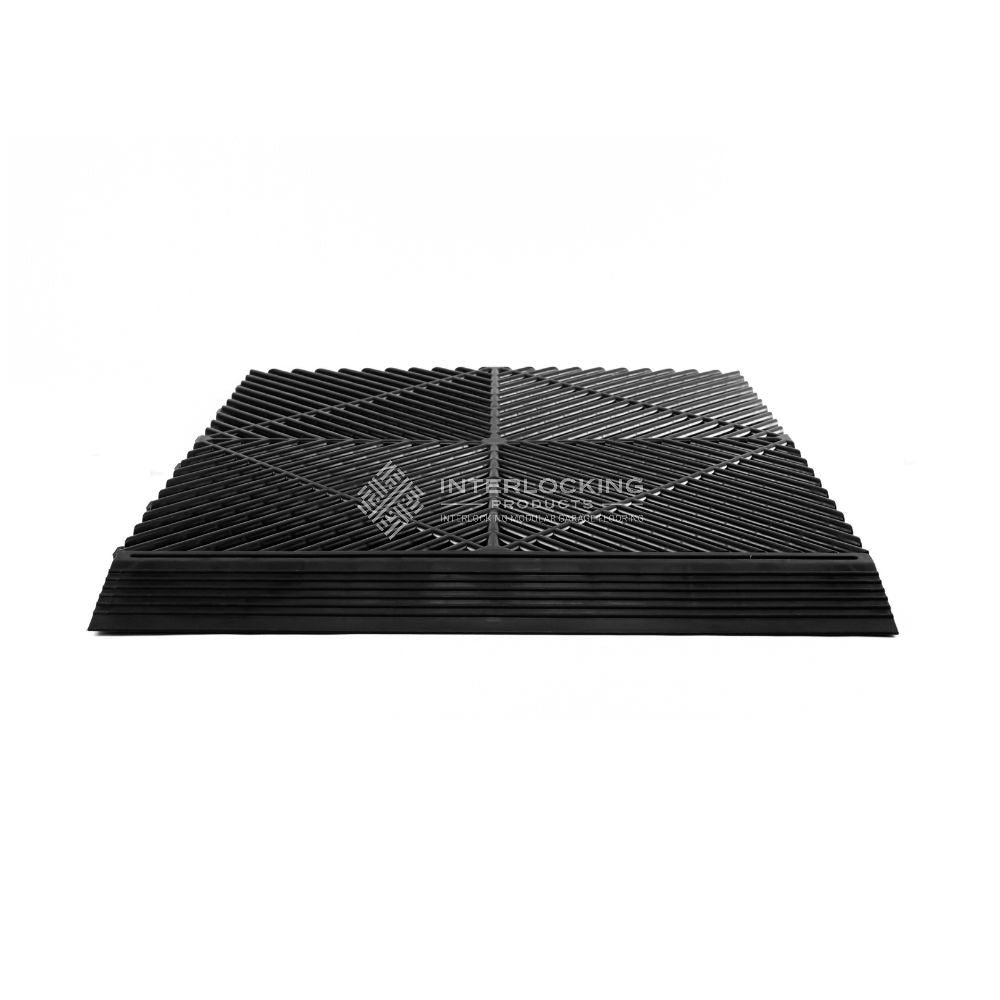
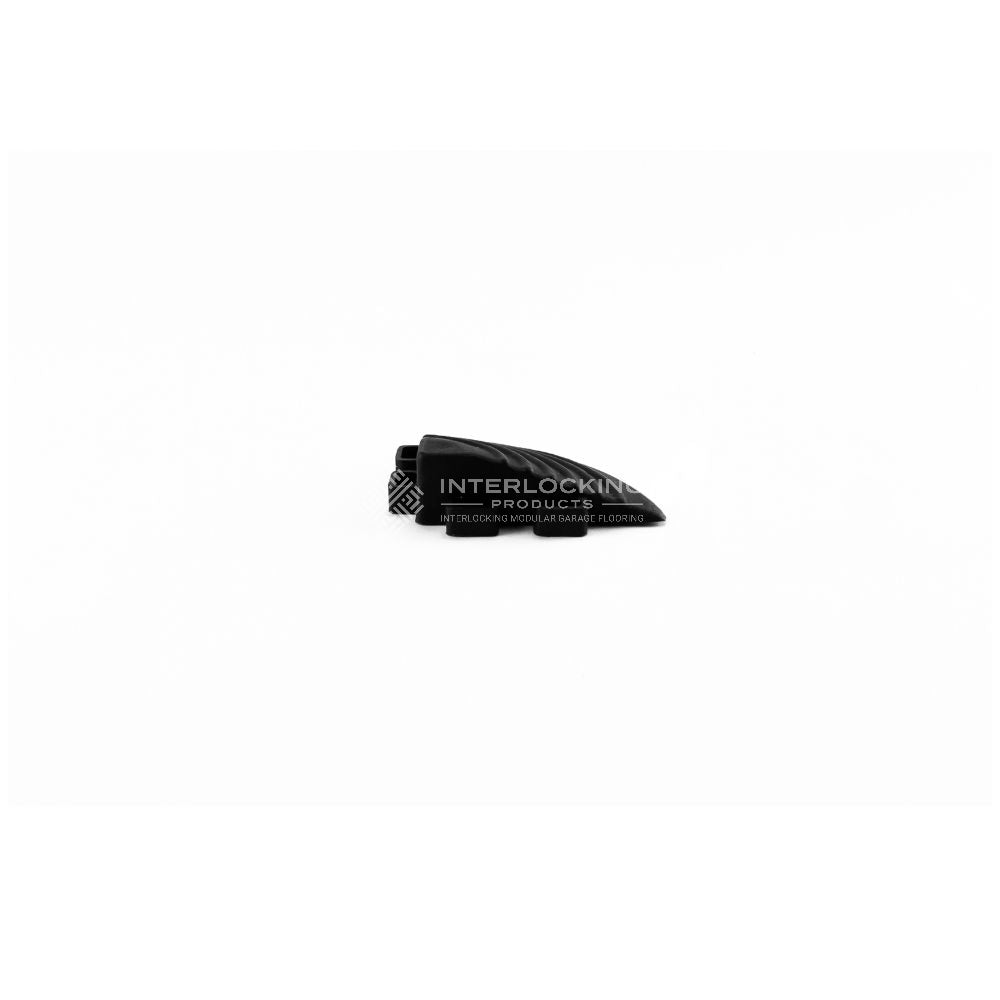
- Edges are used for a transitional strip to provide a ramp onto the tile
- Edges are used for exposed tiles only
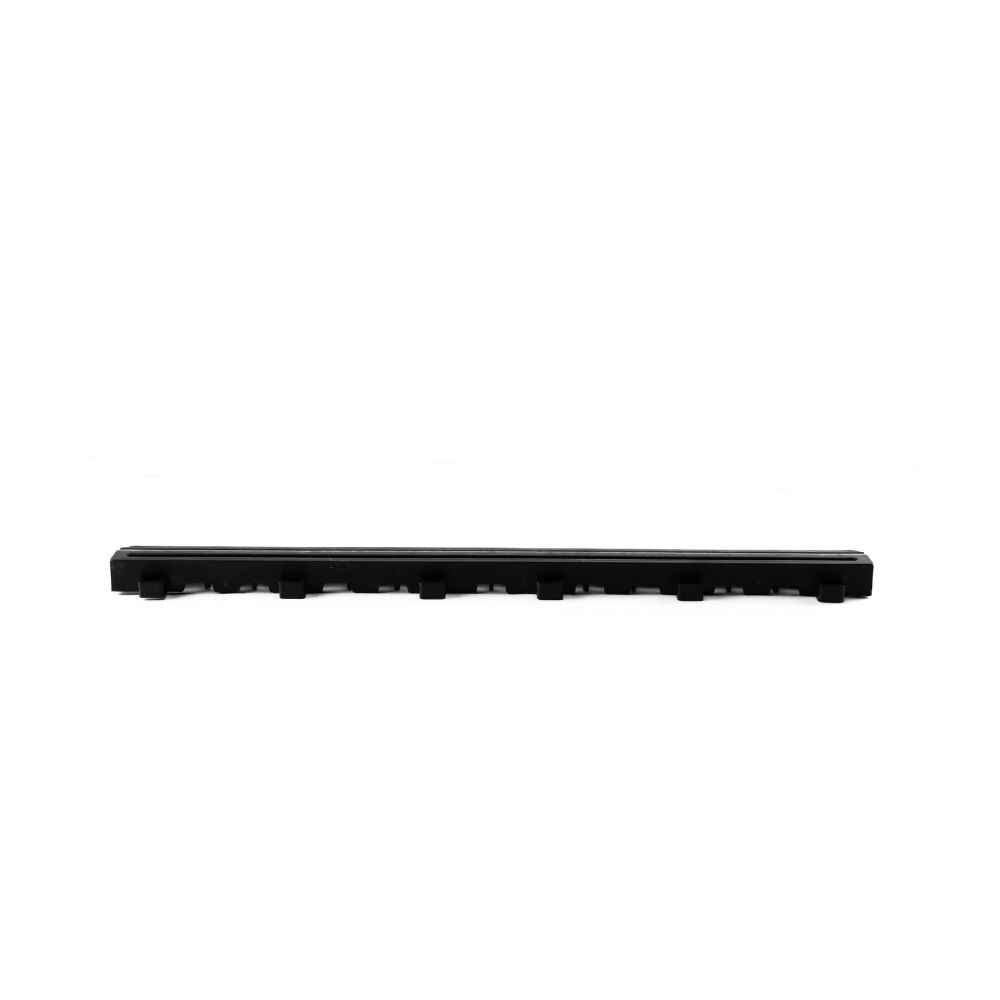
- Edges are the same length as a tile 1.3125’
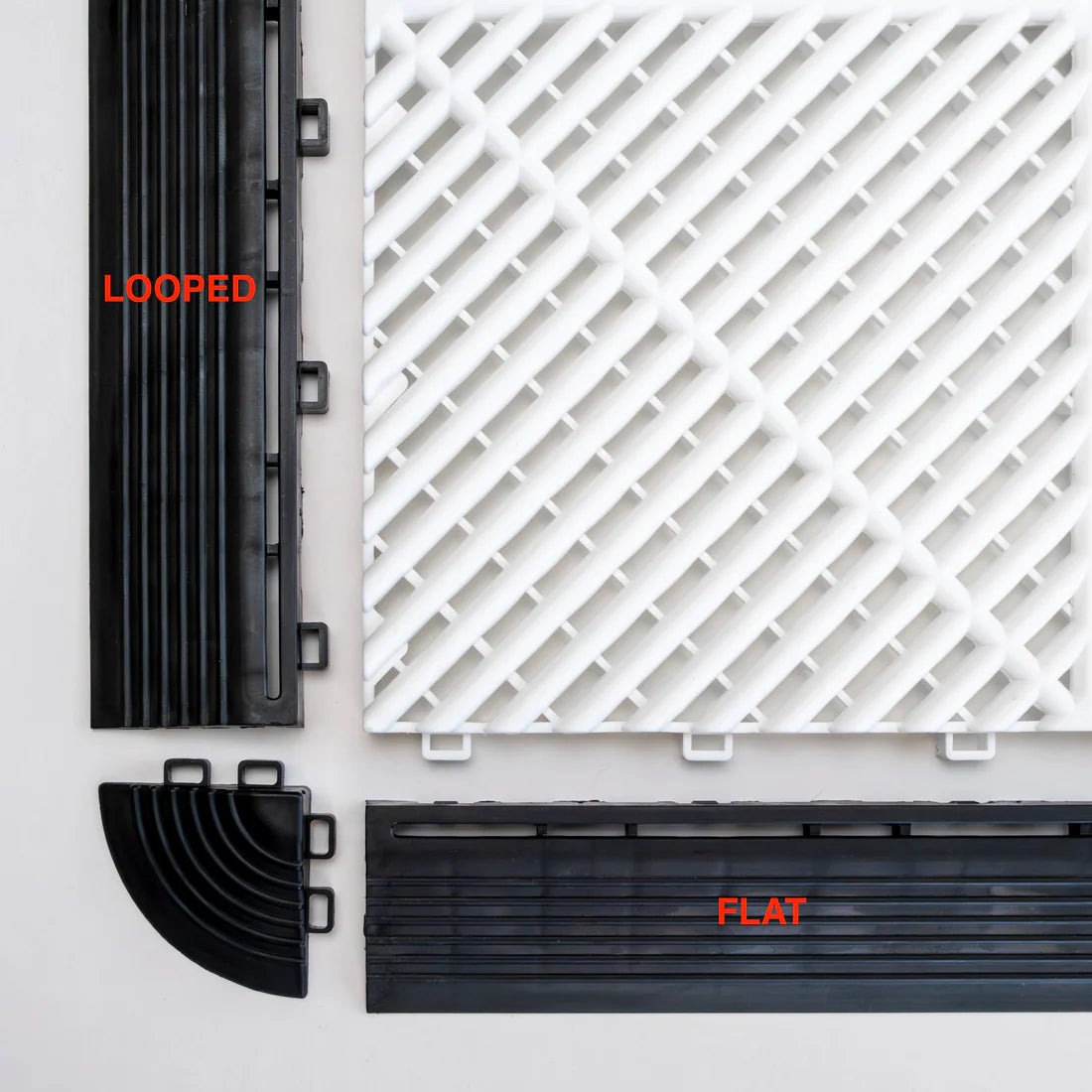
- If you plan on installing 1 edge you can select either a looped or flat edge.
- If you plan on installing edges on opposite sides of your new interlocking floor you will need both, looped and flat edging
- If you plan on installing edges on 2 sides of your new interlocking floor that will be touching, you can choose a looped or flat edge. We also suggest purchasing a corner to cap off the edges coming together.
Returns
30-day money-back guarantee on all returns, with customers responsible for return shipping costs. Open-box items are accepted. Defective products are covered under our lifetime warranty.
Male vs Female Edges
- If you plan on installing 1 edge, you can select either a male or a female edge.
- If you plan on installing edges on opposite sides of your new interlocking floor, you will need both looped and flat edging
- If you plan on installing edges on 2 sides of your new interlocking floor that will be touching, you can choose a looped or flat edge. We also suggest purchasing a corner to cap off the edges coming together.
Flat Edges
Flat edges are typically used for garage doors and other areas of entrance where only one side of the interlocking tiles is exposed. These edges allow for a clean, secure connection when tiles meet the wall or any border without needing to fit into a looped edge.
Looped and Flat Edges
Both looped and flat edges are generally only necessary when creating showroom displays, parking pads, or other applications where all four sides of the area are exposed. In these cases, both looped and flat edges are used around the perimeter to create a professional, finished look.
Corner Pieces
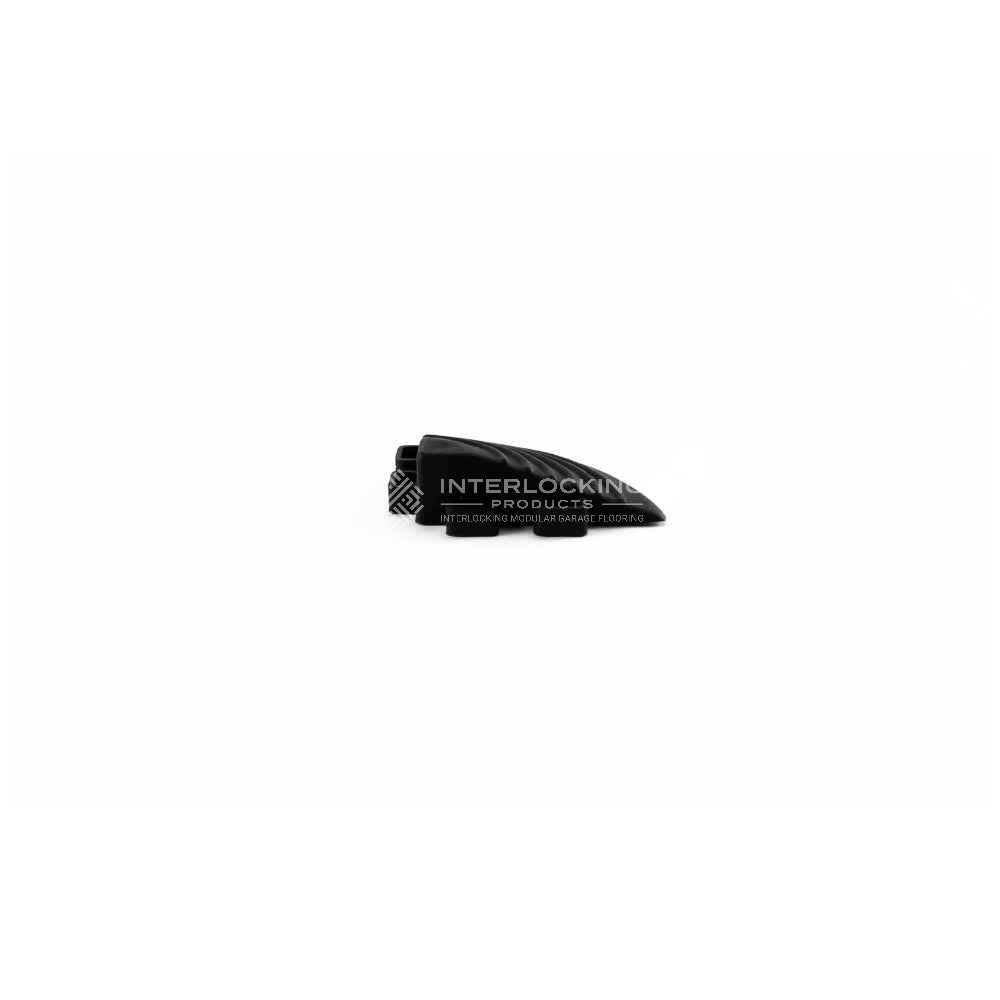
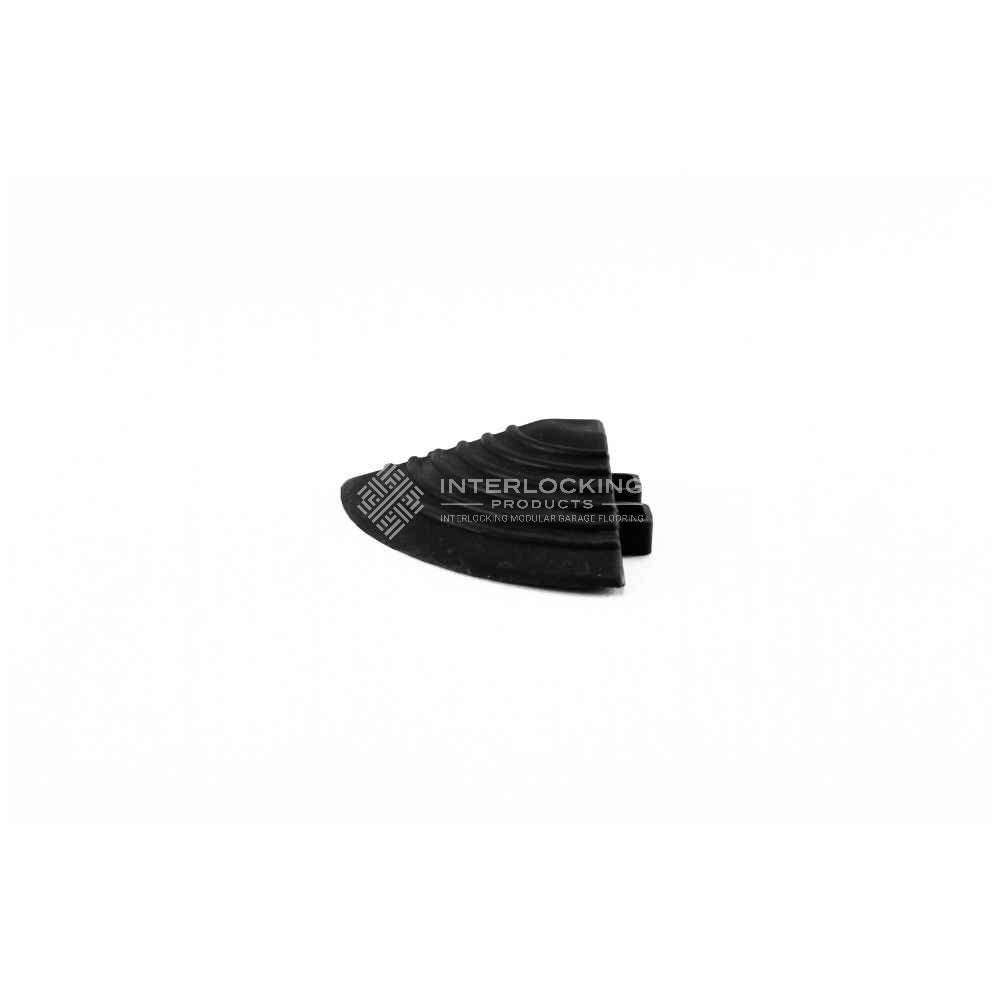
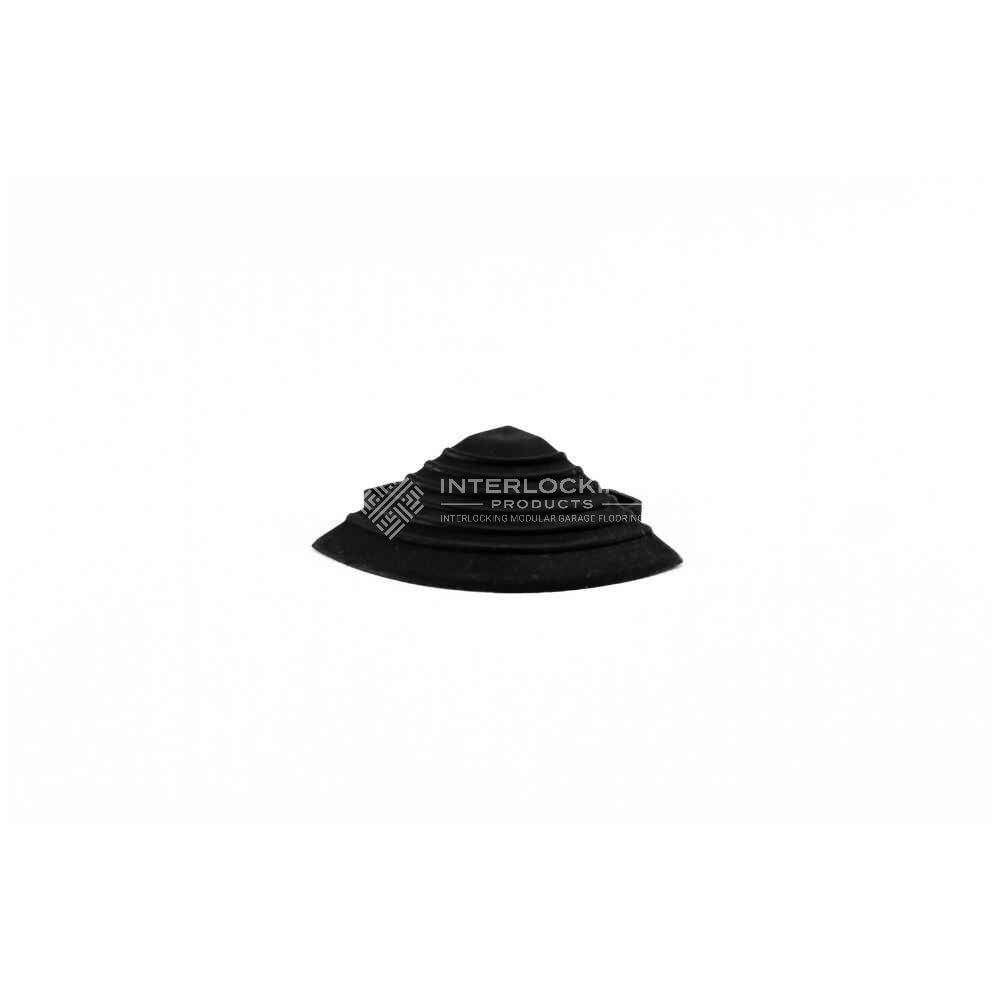
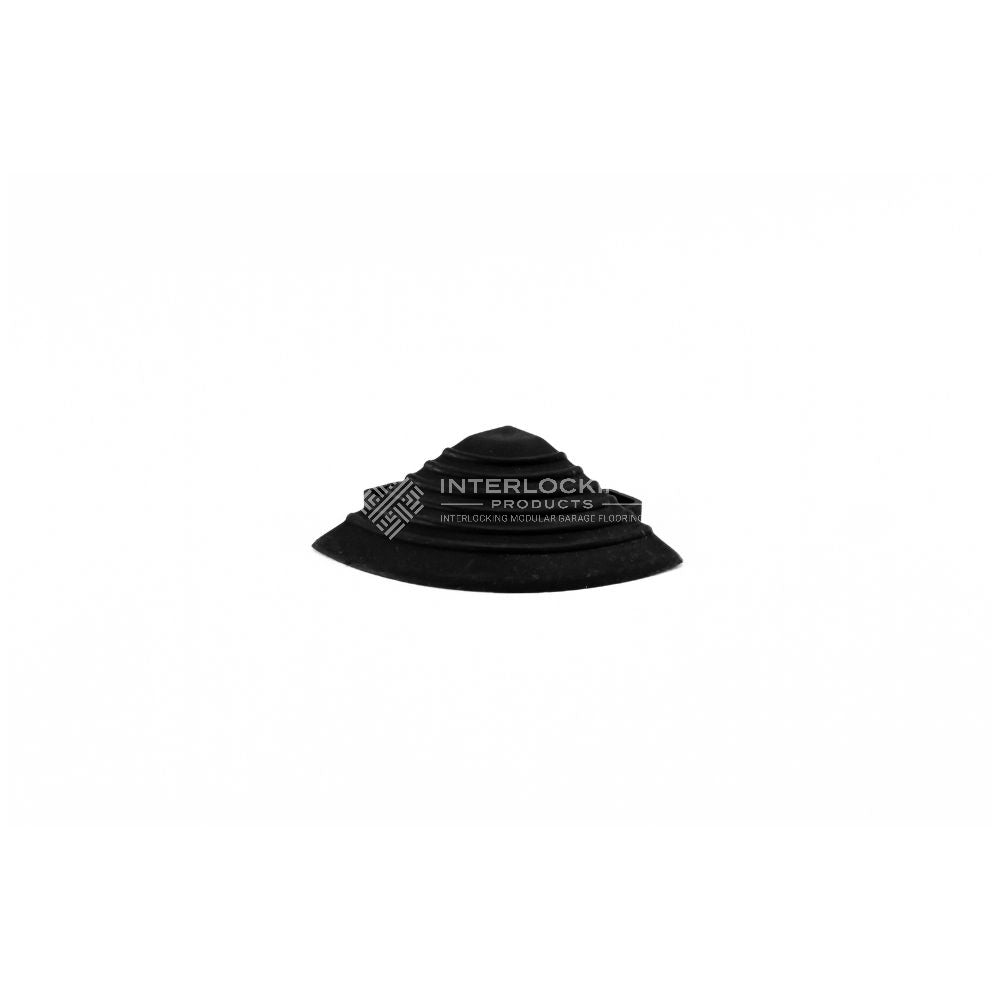
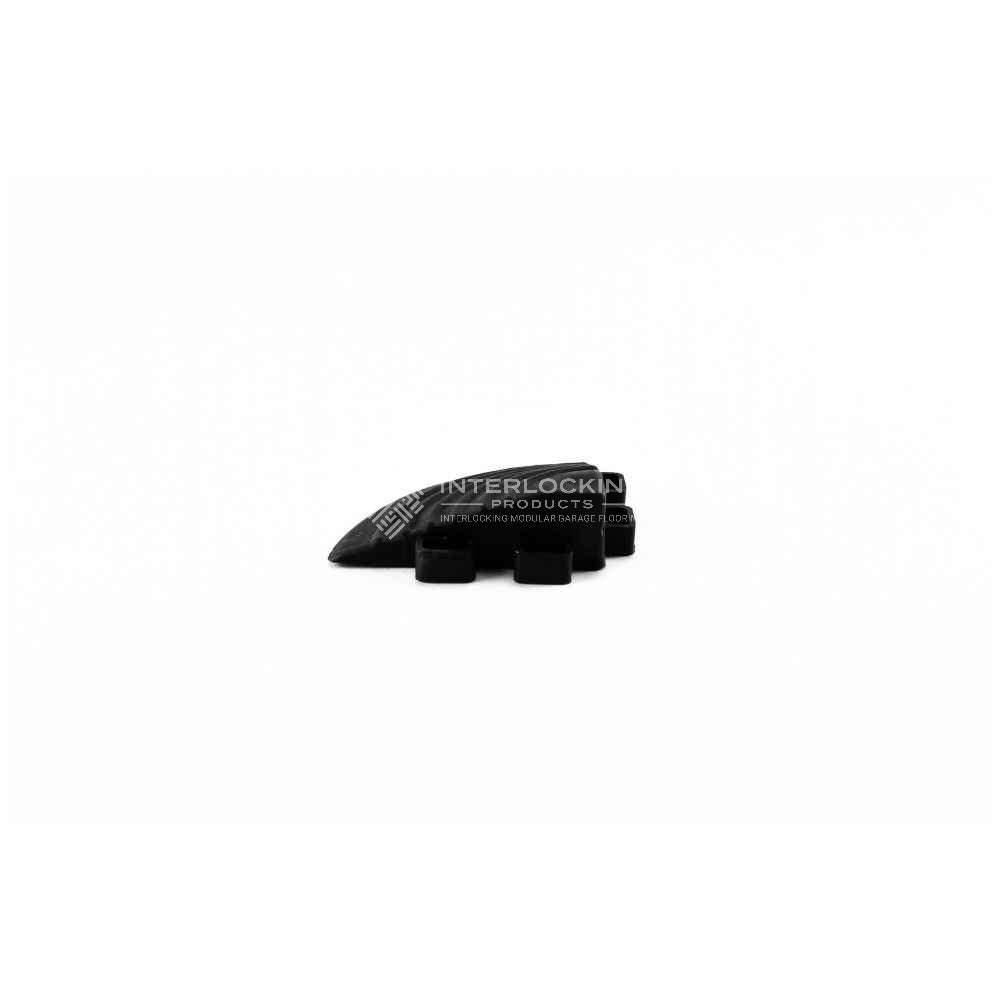
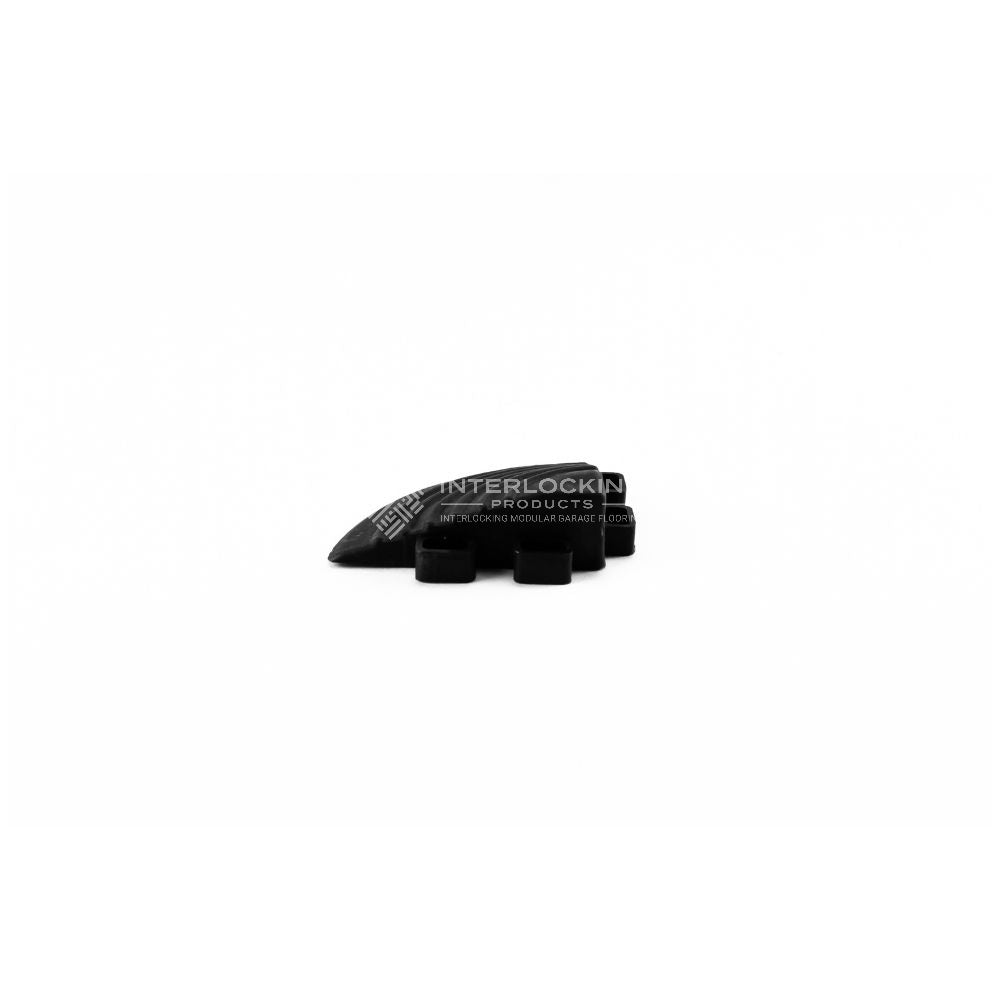
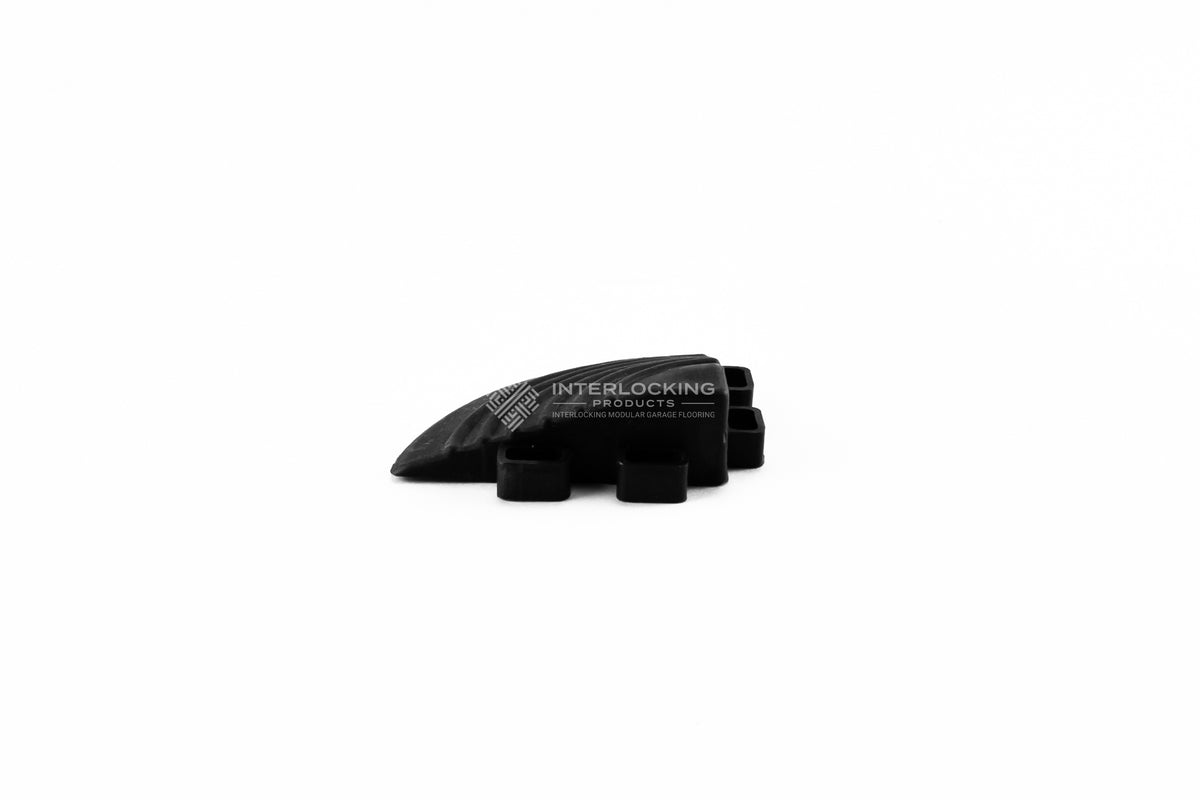
Corner pieces are needed when the installation involves exposed corners (where two sides of the area meet). These provide a neat, professional finish at the intersections of two exposed edges.
Choose options
Transform your space in hours, no glue, no tools, no mess.
Description
- Edges are used for a transitional strip to provide a ramp onto the tile
- Edges are used for exposed tiles only
- Edges are the same length as a tile 1.3125’
- If you plan on installing 1 edge you can select either a looped or flat edge.
- If you plan on installing edges on opposite sides of your new interlocking floor you will need both, looped and flat edging
- If you plan on installing edges on 2 sides of your new interlocking floor that will be touching, you can choose a looped or flat edge. We also suggest purchasing a corner to cap off the edges coming together.
Returns
30-day money-back guarantee on all returns, with customers responsible for return shipping costs. Open-box items are accepted. Defective products are covered under our lifetime warranty.
Male vs Female Edges
- If you plan on installing 1 edge, you can select either a male or a female edge.
- If you plan on installing edges on opposite sides of your new interlocking floor, you will need both looped and flat edging
- If you plan on installing edges on 2 sides of your new interlocking floor that will be touching, you can choose a looped or flat edge. We also suggest purchasing a corner to cap off the edges coming together.
Flat Edges
Flat edges are typically used for garage doors and other areas of entrance where only one side of the interlocking tiles is exposed. These edges allow for a clean, secure connection when tiles meet the wall or any border without needing to fit into a looped edge.
Looped and Flat Edges
Both looped and flat edges are generally only necessary when creating showroom displays, parking pads, or other applications where all four sides of the area are exposed. In these cases, both looped and flat edges are used around the perimeter to create a professional, finished look.
Corner Pieces
Corner pieces are needed when the installation involves exposed corners (where two sides of the area meet). These provide a neat, professional finish at the intersections of two exposed edges.